
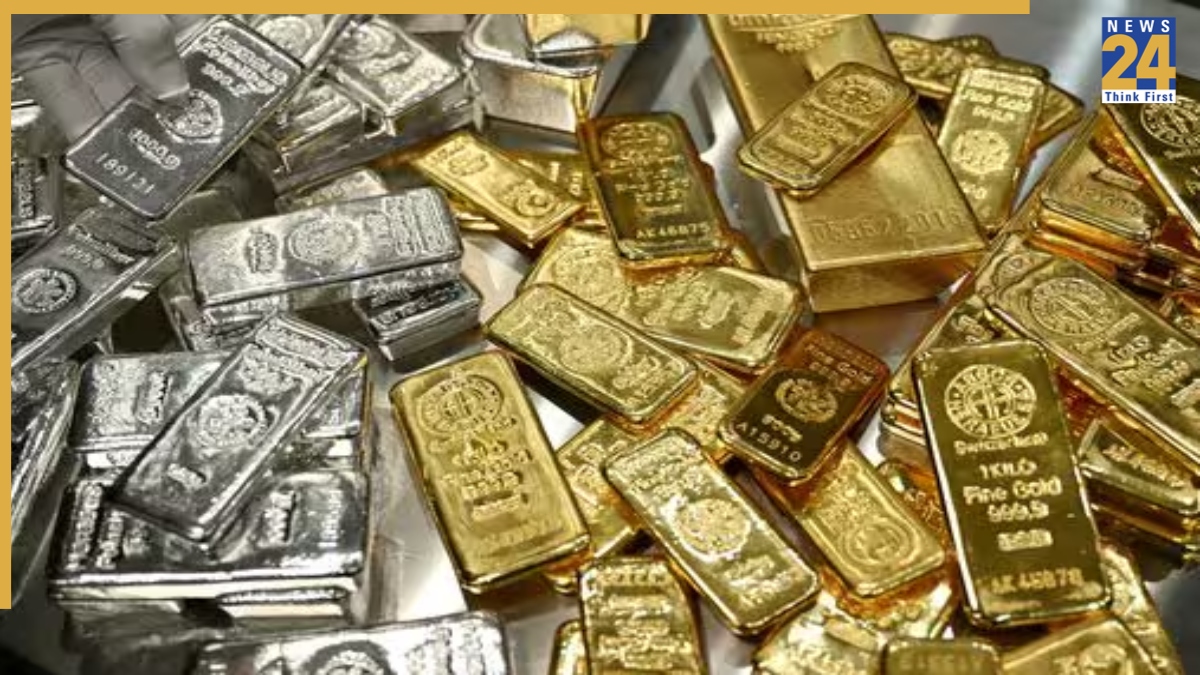


As per reports, gold and silver prices have witnessed a sharp decline in March 2026, marking the biggest fall in nearly 45 years. During the month, both gold and silver prices dropped by more than 20%, pushing these precious metals into a “bear market.” The decline has continued for four consecutive weeks in the international market, and its impact is clearly visible in India as well. In the latest fall, silver on MCX dropped 4% to around Rs 2,16,028 per kg, while gold fell 1.67% to about Rs 1,36,940 per 10 grams. In the global market as well, gold declined by around 1.5% and silver by about 3.3%.
Geopolitical tensions
The primary reason behind this fall is seen as easing geopolitical tensions in the Middle East, which has reduced the demand for gold as a safe-haven asset. Additionally, a strong US dollar, rising bond yields, and expectations of higher interest rates have put pressure on gold and silver. In a high interest rate environment, investors tend to move away from non-yielding assets like gold.
Sharp fall in single day
Gold prices saw a sharp and unusual fall, dropping by nearly RS 10,000 in a single day on March 23. While silver declined by around Rs 18,000. This move has surprised many investors because gold is typically considered a safe-haven asset that performs well during periods of global uncertainty. However, the current decline is being driven less by geopolitical tensions and more by financial factors such as a strengthening US dollar and rising US bond yields, which are attracting investors toward interest-bearing assets. In addition, expectations that interest rates may remain higher for longer have reduced the appeal of gold, as it does not generate regular returns. Profit booking after a strong rally and a broader liquidity crunch, where investors are selling gold to cover losses in other markets, have also contributed to the sharp correction.
Correction is healthy
As per the experts, this fall should be seen as a healthy correction rather than a long-term breakdown in prices. Gold had witnessed a significant rally earlier, and such pullbacks are considered normal in a rising trend. For investors, the key advice is to avoid making large lump-sum investments at this stage and instead follow a staggered approach, similar to SIP-style buying. Maintaining a limited allocation of around 5–10% of one’s portfolio in gold or silver is generally recommended. In the short term, prices may remain volatile, with the possibility of both further declines and intermittent recoveries. However, from a long-term perspective, gold continues to play an important role as a hedge against inflation, currency fluctuations, and economic uncertainty, making it a valuable component in a diversified investment strategy.